
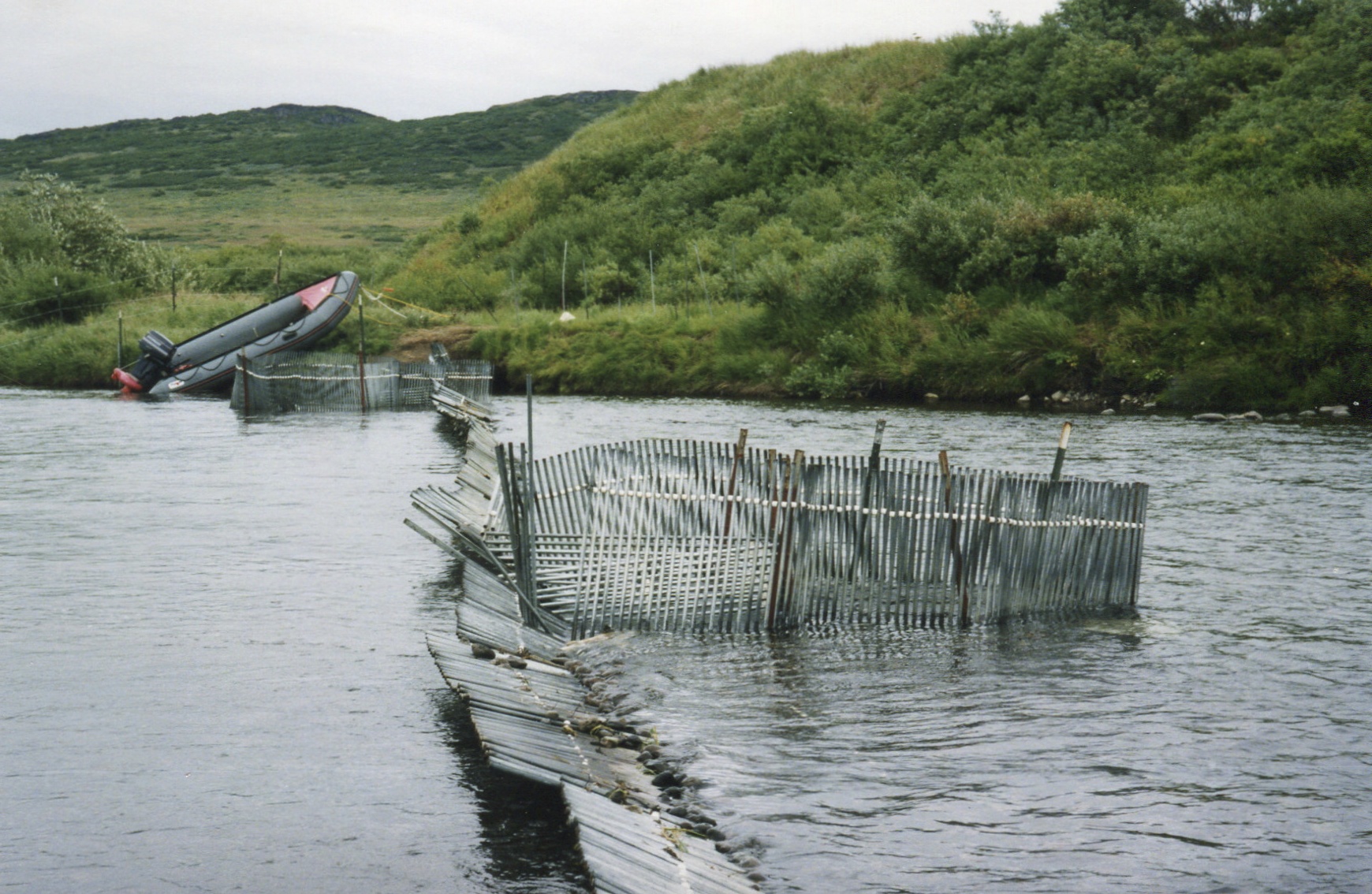
I’m a biologist and writer pitching adventure content about a rare, boots-on-the-ground view from three six-month seasons running a fish weir on a remote salmon stream in southwest Alaska. Based on over 100 journal entries from the late 1990s, this collection of experiential stories highlight the grit, solitude, and ecological rhythms of life in the bush—now seen through the eyes of a 50-year-old revisiting those memories years later.
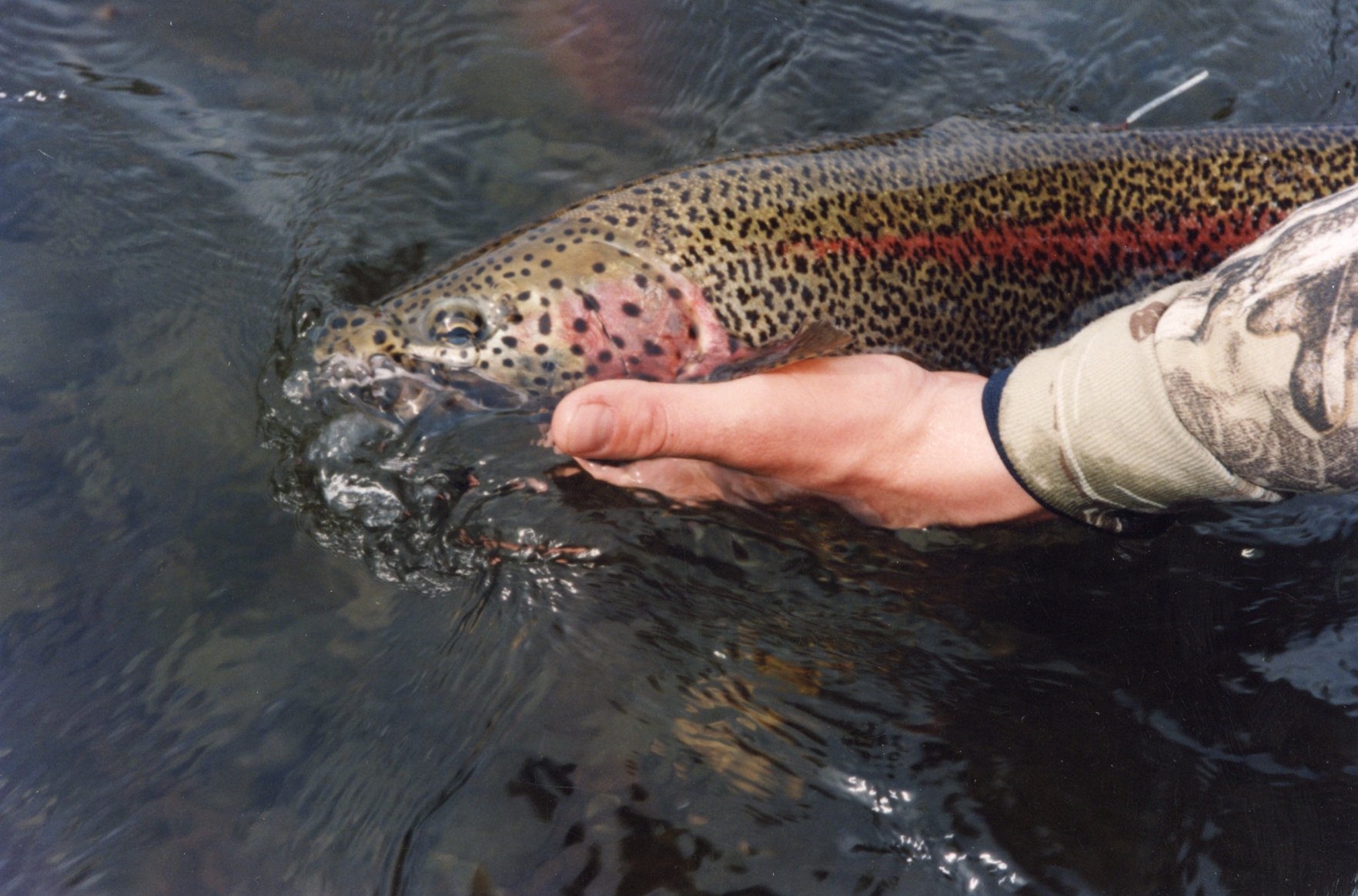
This is more than field notes—it’s a raw, first-person chronicle of science, tundra living, and self-discovery. The material is drawn from daily observations made while studying wild, leopard-spotted rainbow trout inside the National Wildlife Refuge System.
Potential Story Angles Include:
- Fieldwork & Research: A behind-the-scenes look at a unique study investigating the viability of using rod and reel angling to estimate rainbow trout populations—an unusual yet practical approach within the National Wildlife Refuge System.
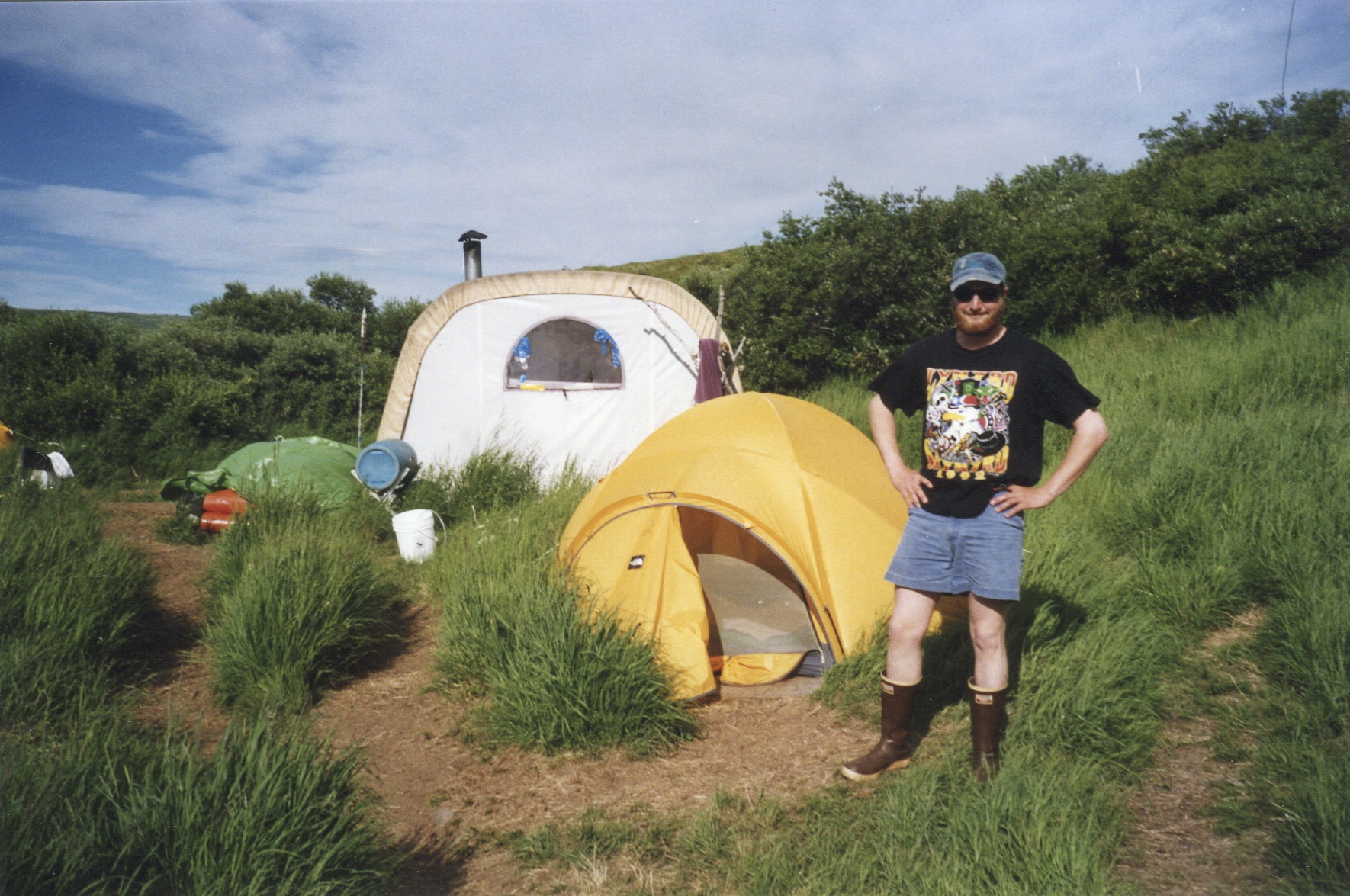
- Bush Life: The highs and lows of living in a tent and weather port for months at a time—rain, bears, isolation, and radio reader all, while keeping the data flowing and the drip stove lit.
- Ecological Insights: Vivid descriptions of seasonal fish migrations, predator-prey dynamics, and the pulse of a truly wild ecosystem.
- Character Sketches: Portraits of fellow field techs, pilots, and bush locals who bring humanity and humor to the isolation.
- Personal and Career Reflection: Lessons from this immersion into the salmon-fueled ecology of an untouched landscape, gained as a 20-something, resonated with a sense of purpose and direction for navigating the broken river and management systems to the south as a career.
If you’re seeking authentic outdoor content, first-person science narratives centered on observed natural history from the bush of the Alaskan Peninsula, along with a heavy dose of trout and salmon life cycle biology?
I’d love to develop this material into essays, features, or related content for your audience. I welcome collaboration to find the right fit for your needs.
Please reach out with interest at RedbandiaOutdoors@gmail.com
Introduction
Right after college, my goal was simple: land a solid seasonal job. It felt like the responsible move—earn enough to get through winter, then line up another gig by March. In the off-season, hunt, fish, ski, hoping to stash away enough money to break free from the cycle of seasonal migrant fisheries research work.
Armed with a new B.S. in Aquatic Biology from the University of Montana, a strong resume from two seasons in the field, tagging cutthroat trout and mapping stream habitats across Wyoming and Colorado. Confidence from a summer as a fly-out fishing guide in Iliamna, Alaska, at age 19, solidified my credentials for working with fish and getting the job done anywhere. This experience also clarified my sense of identity and career path.
Spotting the job posting tacked to the clipboard in the Ecology building (this was in the pre-Internet days), I didn’t hesitate. The U.S. Fish and Wildlife Service was hiring multiple GS-5 Biological Science Technicians to staff remote field camps across the Alaska Peninsula National Wildlife Refuge. The work? Collecting fisheries and limnological data from wild country—gone for months at a time. Quietly tearing the listing off the board, I made my way to the campus computer lab, popped in my floppy disk, and started customizing my resume for submission.
After one interview and some government ups and downs during the waiting, I made the cut.
The U.S Fish and Wildlife bunkhouse in King Salmon, Alaska, was an initial home while gear was prepped to fly out to the bush. I brought what I thought I’d need to survive until October. Of course, most of the real gear was provided. We’ll get to that list.
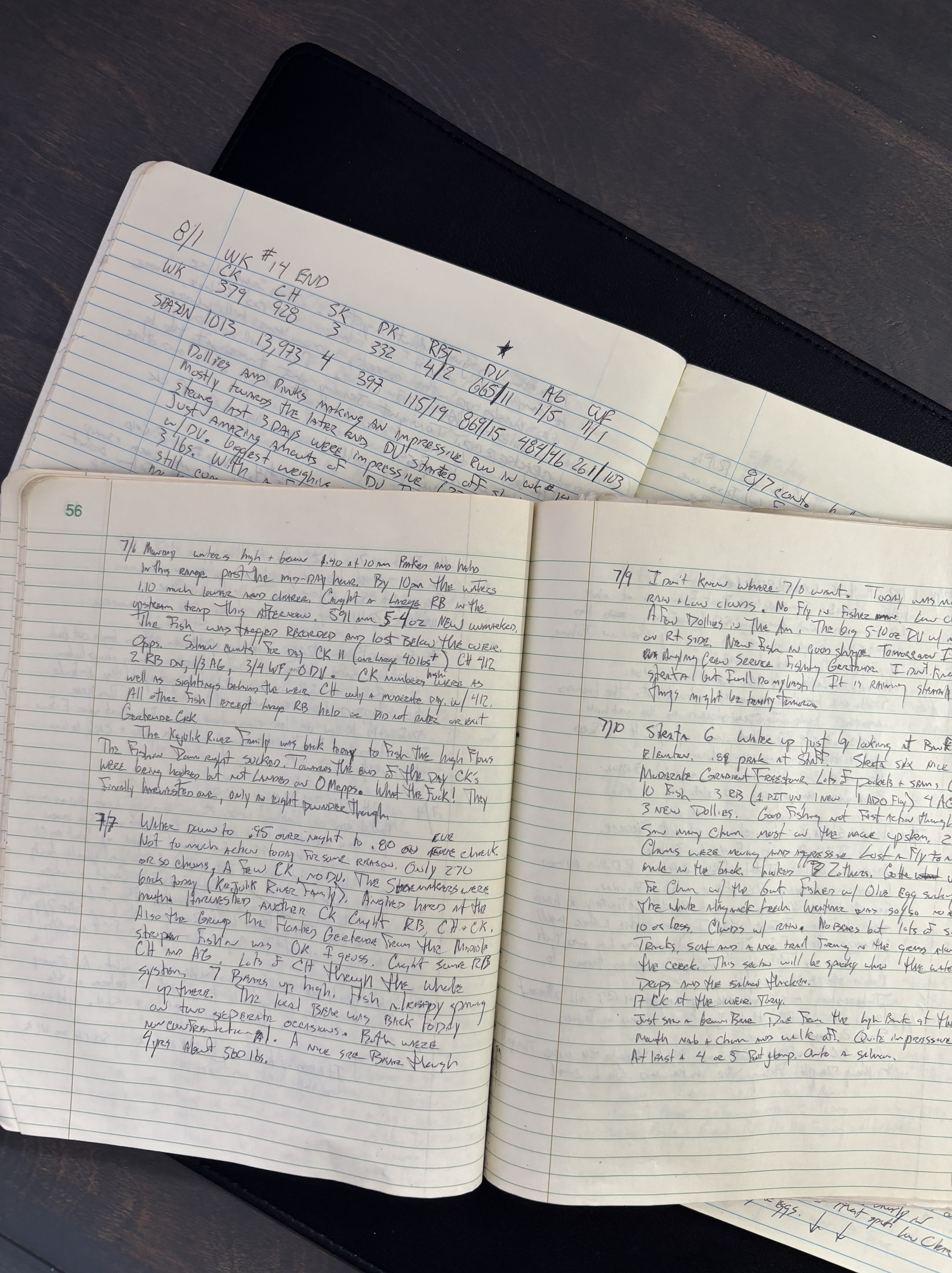
Even back then, I understood that the stories from this job would matter. With time and solitude to record the day’s observations each night in a hardbound journal, I propped up on a makeshift couch in my tent, built by stuffing my clothes into a spare Mr. Bill’s dry bags, and committed. Reading and writing in that tent became part of my routine, an atomic habit that grounded me through storms, bears, and weeks with limited human contact.
Given a chance to see and do things that few others ever will, I felt a responsibility to write it all down—and maybe, someday, to share it.
Now, thirty years later, that time has come
Location
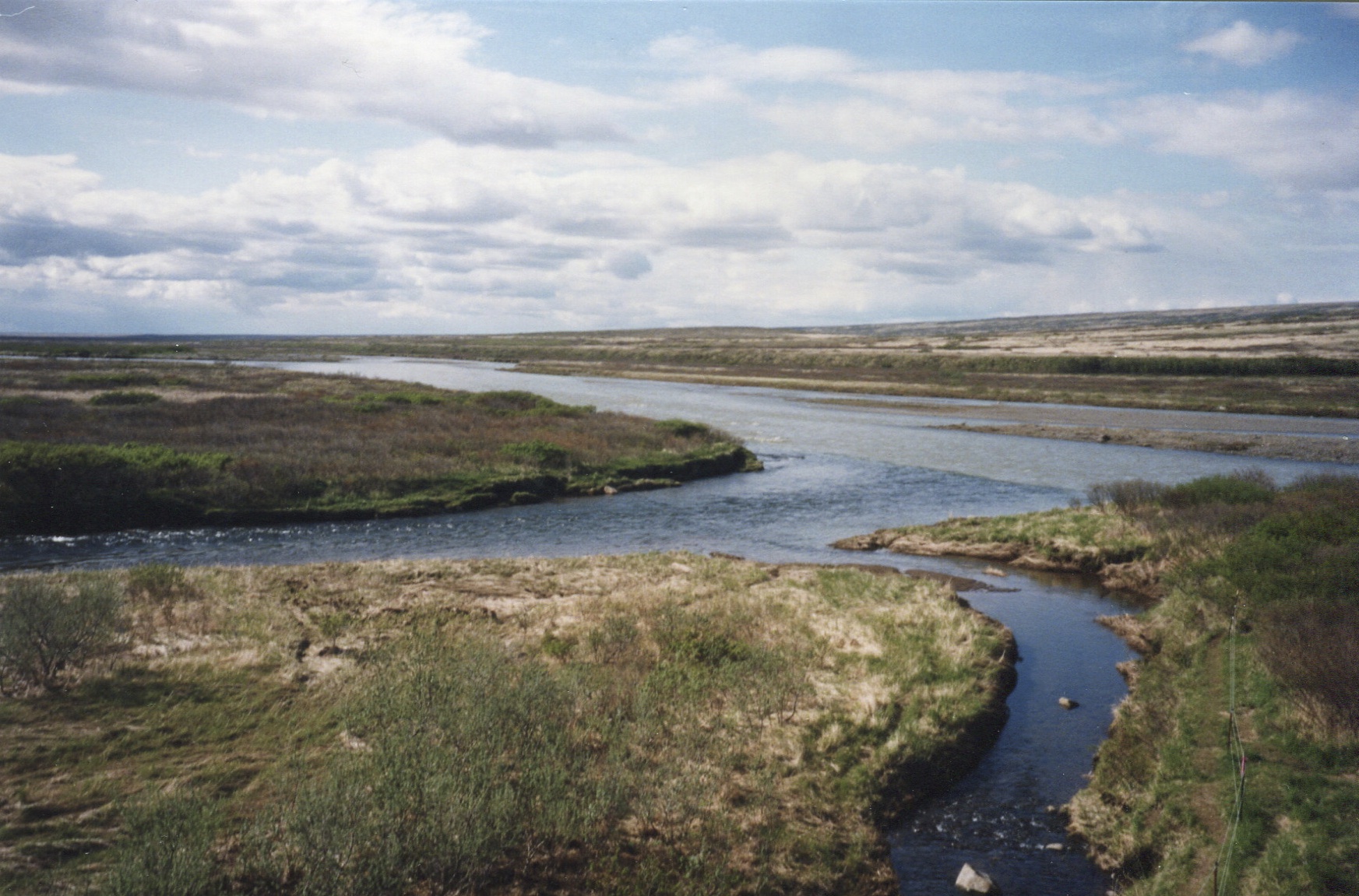
As crew leader of a remote base camp from April to early October, I oversaw several management and research projects on a clear tributary to a glacial river draining the volcanoes in the Egegik Watershed. The King Salmon River flows into Egegik Bay from the north, with the Egegik River entering from the west, emptying the connecting flow of Lake Becharof.
This glacial system supports chum and Chinook salmon, with the well-known sockeye run of the Egegik, remaining in the clear water and tributaries of Lake Becharof, less than 10 miles upstream. A significant sockeye producer, the Egegik generates returns of over 10 million fish in some years. The study creek in the glacial system saw fewer than 30 sockeye each year, being 80 miles away from a sockeye highway.
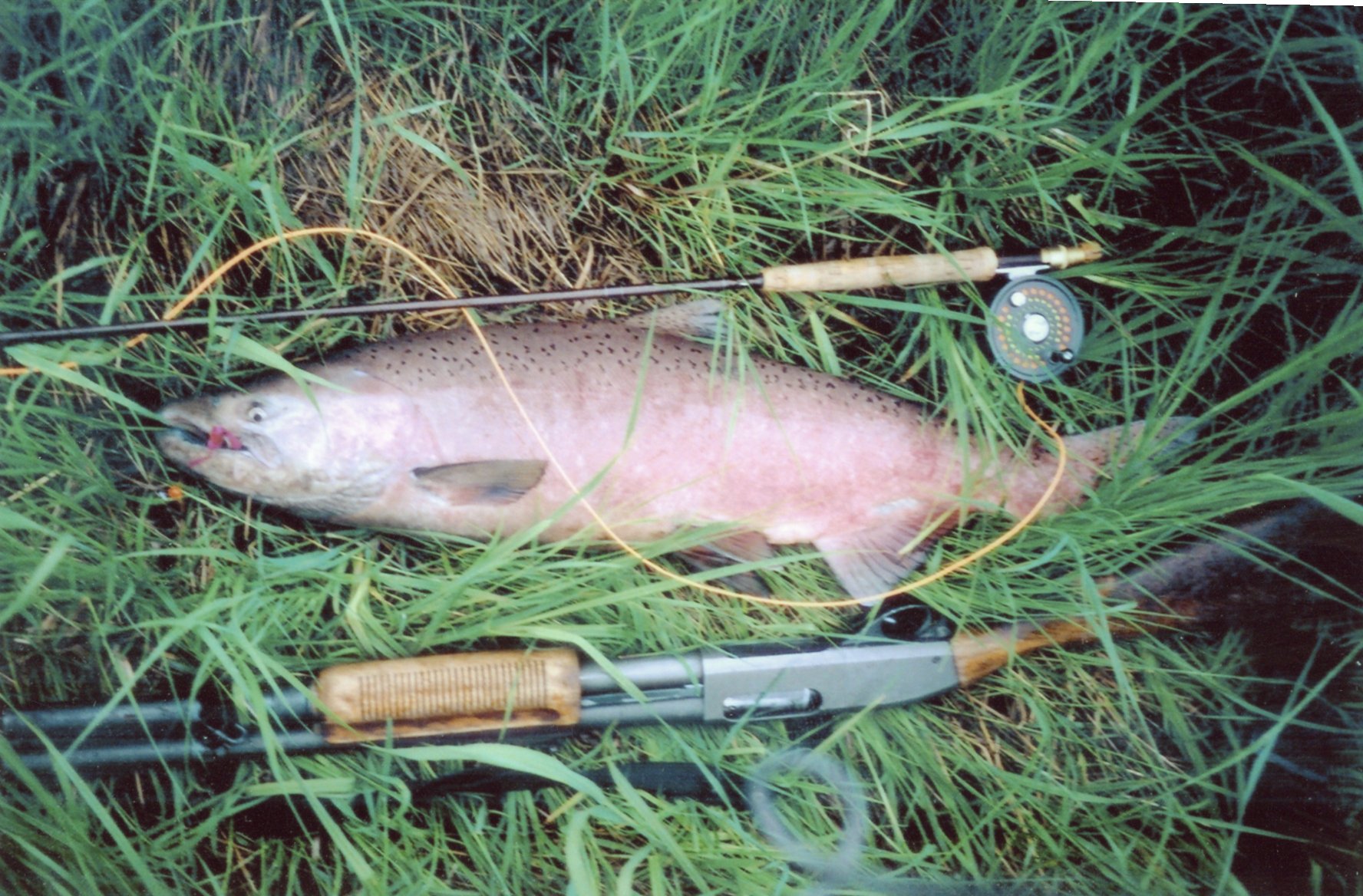
Eighty miles from the tidewater, most salmon were water-marked on arrival at the weir, clearly showing their distinctive color patterns. However, chrome individuals of all species were recorded in the count and sampled on sport tackle. Most Chum were fresh, lively, and marked with distinctive purplish striations. Kings were rosy pink, some still held chrome highlights, with a few true lobsters documented. The largest was estimated at 65 pounds, with the average being around 15. They came in herds and distinct packs in June and early July. Pinks were present, spawning lower in the system and more abundant in even years. Coho arrived with the Fall rains. Chromers at first, then large pulses of dark, hook-nosed monsters as the run progressed, and the rising river levels triggered their final push.
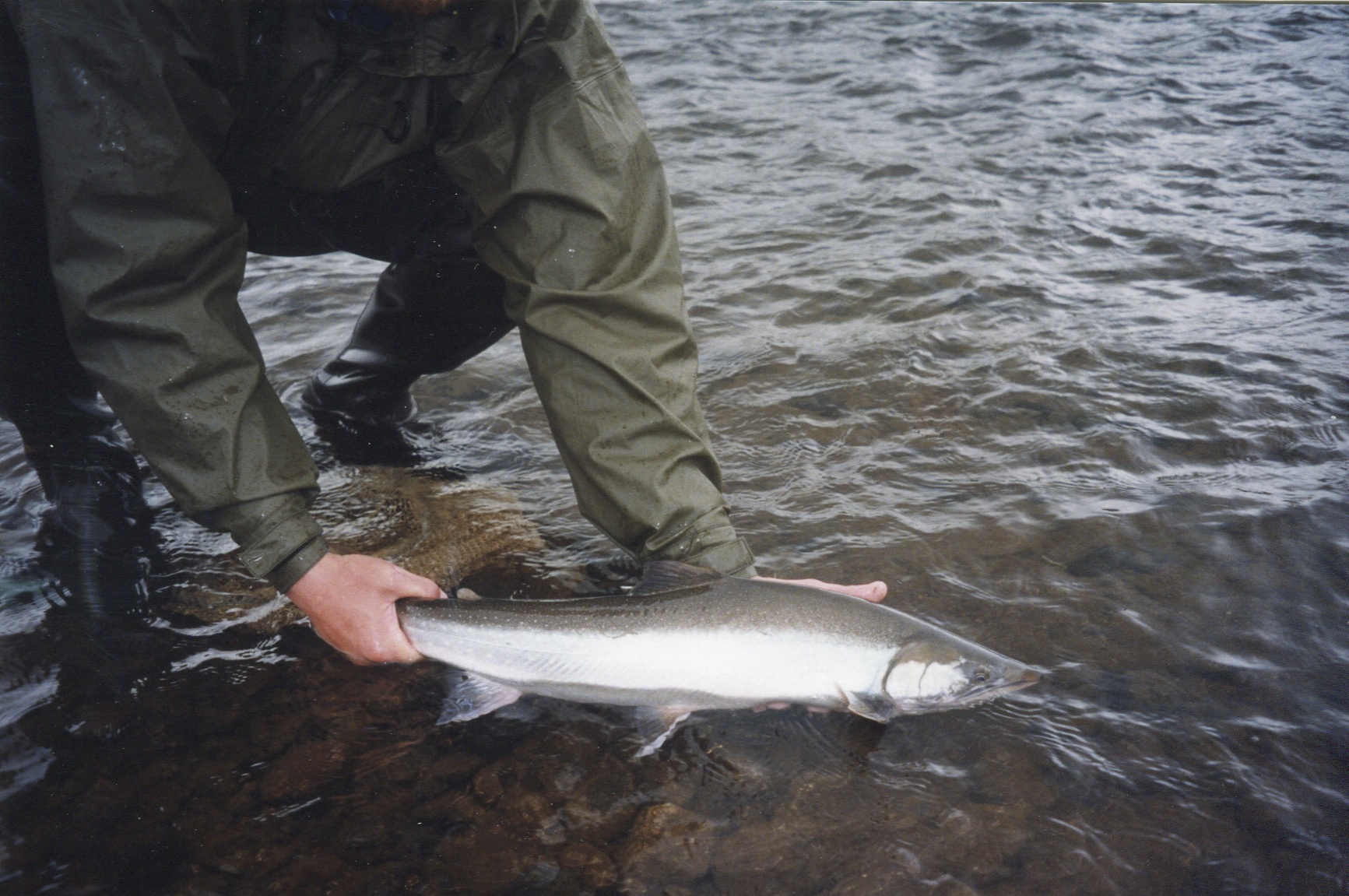
As an added bonus, thousands of plump and giddy Dolly Varden char flooded the system with the main run of salmon. Their colors brightened as August drew to a close. Arctic Grayling were abundant at the weir during a brief spawning run in early spring, and well distributed throughout the system during the rest of the season.
The star of the show was a population of rainbow trout that relied on this 15-mile-long clear water tributary to maintain a stronghold in the watershed. Pronounced migration into the creek happened during the spawning season in spring and again when salmon spawning was at its peak.
These trout have a story to tell, and I will bring it to life. Come along, and relive these memorable experiences.
 Redbandia Outdoors